Church-owned records
People, households, ministry context, content, media, permissions, consent, and history retain a durable home.
Most churches did not choose a fragmented data strategy. It formed one useful tool at a time—until staff became the hallways between locked digital rooms.
Unified does not mean public. It means owned, connected, and governed.
Exporting a CSV is not the same as owning the meaning of your data. Relationships, permissions, consent, provenance, and history are what make a record useful after the application that created it is gone.
Stroma gives that durable meaning a church-owned home, then lets approved applications participate without becoming one enormous, inflexible system.
Every vendor keeps its own people, identifiers, definitions, and permissions. Integrations move copies between them and hope the systems continue to agree.
The church defines what it should own as a source of truth. Products use only the named capabilities and projections approved for their work.
Canonical church records are intentionally small and durable. Product records remain inside their owning application. Connection happens through contracts, not shortcuts.
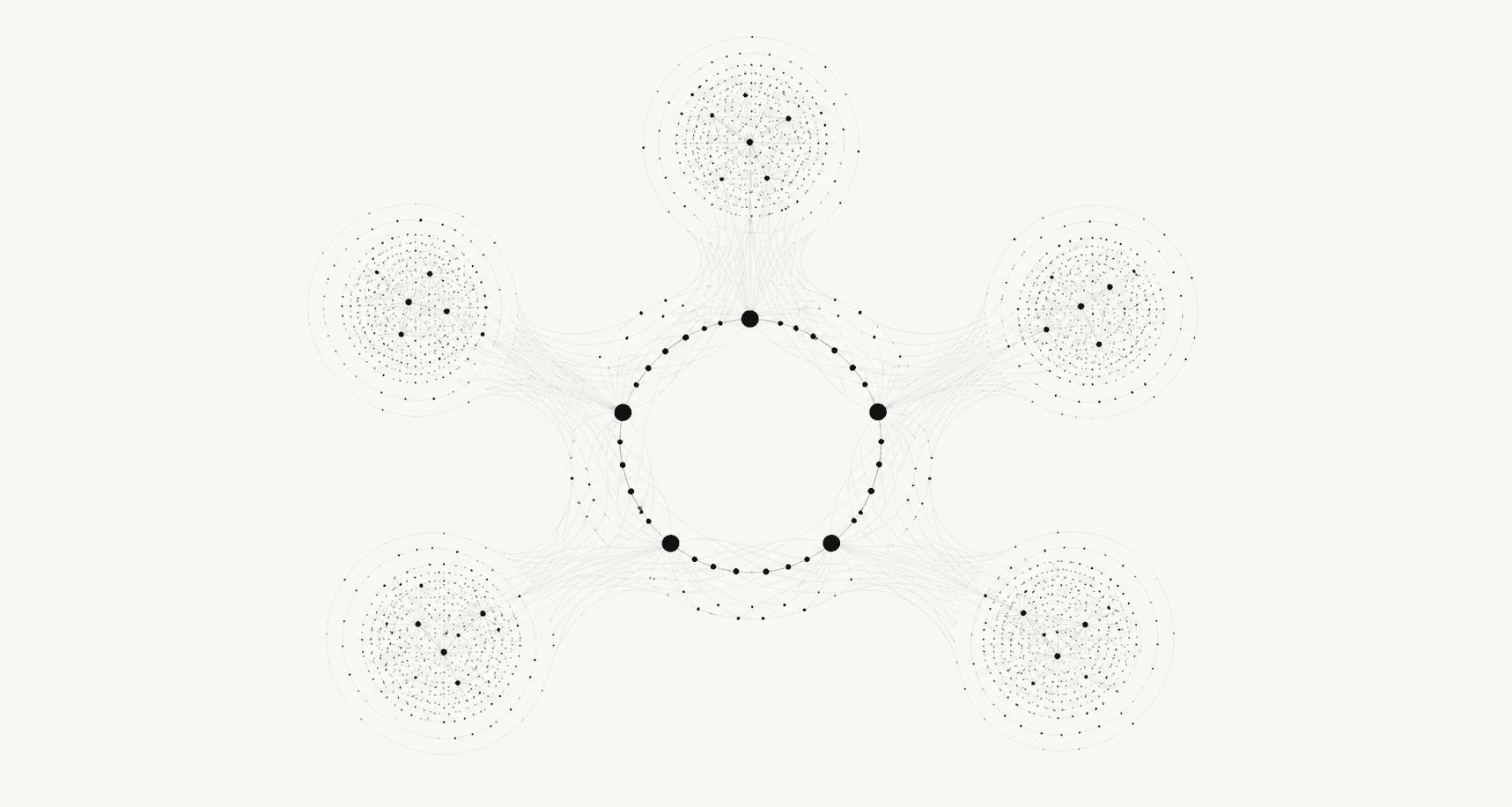
People, households, ministry context, content, media, permissions, consent, and history retain a durable home.
Each app owns its records and workflow instead of reaching directly into another app's schema.
Versioned projections provide bounded reads. Idempotent commands provide bounded writes.
Websites, apps, AI tools, and external builders receive the minimum approved capability for their job.
An AI assistant should not need unrestricted access to be useful. A volunteer email assistant may need an approved audience, event details, and voice guidance. It does not need giving history or pastoral notes.
Stroma's architecture makes the question explicit: what does this experience need, who approved it, and what must remain outside the boundary?
Explore the trust modelThis page is informed by the Inspire Possible essay “Churches Must Liberate Their Data” and grounded in Stroma's implemented platform boundaries.
We'll learn your church's context, identify a bounded first step, and be direct about what is ready today.
Start a conversation